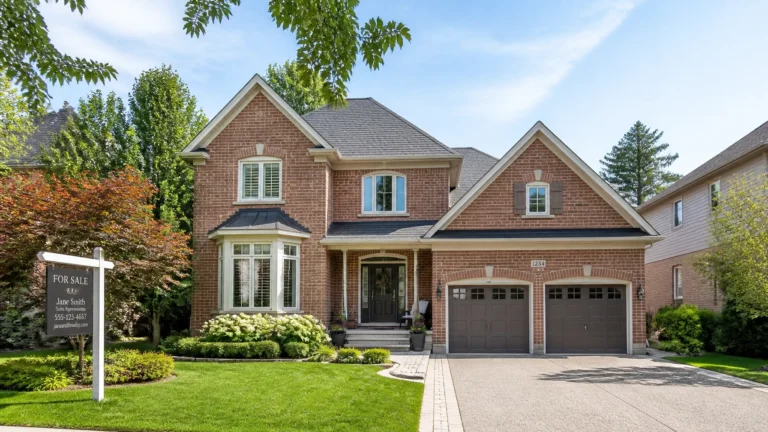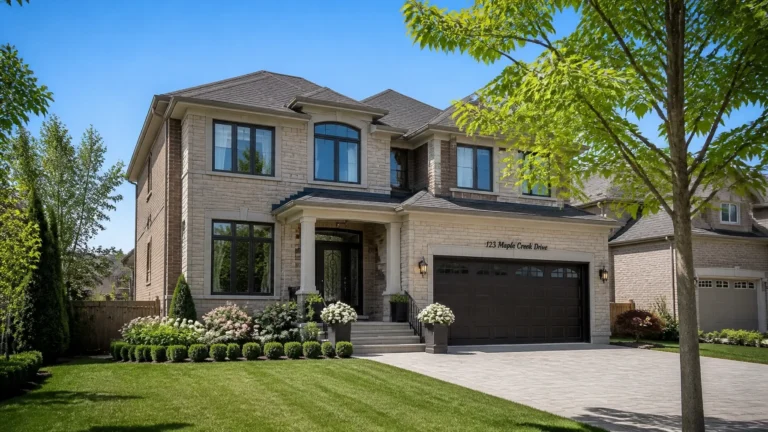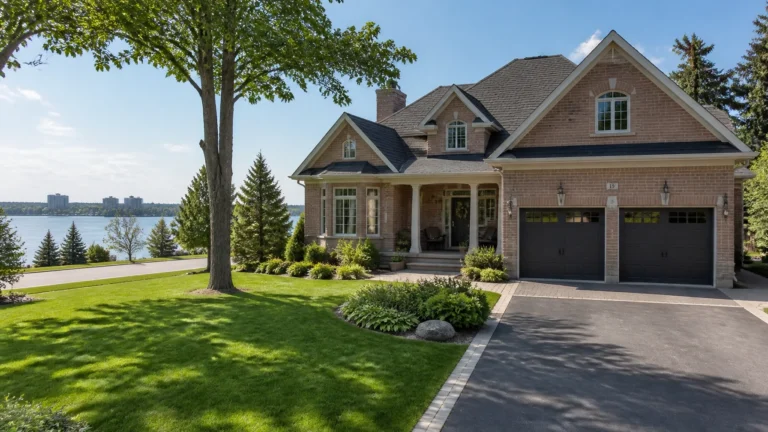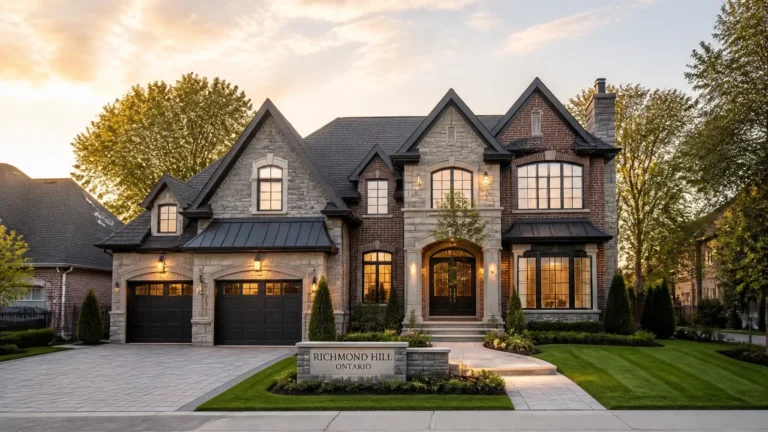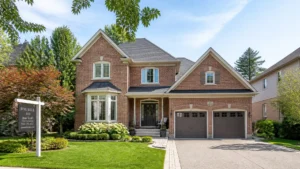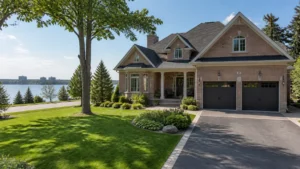
Moving to a new country is a monumental journey, and for many newcomers from Eastern Europe, the ultimate symbol of "making it" in Canada is owning a home. Whether you are settling in the bustling streets of North York or the serene neighbourhoods of Innisfil, the path to homeownership often feels like a complex puzzle.
Navigating the Canadian mortgage system can be daunting when you are still learning the local financial landscape. However, Ontario has several programs specifically designed to help newcomers transition from renters to owners. At Vitali Real Estate, I specialize in guiding families through this transition, ensuring that language barriers and unfamiliar systems don't stand in the way of your financial future.
In this guide, we will break down the essential steps to securing a mortgage in Ontario as a newcomer, covering everything from credit scores to the latest interest rates for May 2026.
1. The Foundation: Building Your Canadian Credit Score
In Canada, your credit score is your financial passport. It tells lenders how reliable you are at paying back borrowed money. For many newcomers, even those with significant wealth in their home countries, the lack of a Canadian credit history can be a major hurdle.
How to Start Building Credit Fast:
- Get a Secured Credit Card: Most major banks offer "newcomer packages" that include a credit card with a small limit. Use it for small, regular purchases.
- The "30% Rule": Never use more than 30% of your total credit limit. If your limit is $1,000, try to keep your balance below $300.
- Pay in Full and On Time: Set up automatic payments. Even a single missed payment can significantly hurt your score.
- Diversify: Over time, having a mix of credit (like a phone plan and a credit card) helps build a more robust profile.
Lenders typically look for a credit score of 680 or higher for the best rates. If your score is lower or non-existent, don't worry: there are still options, but they often require a larger down payment.

2. The Down Payment: How Much Do You Really Need?
One of the most common questions I receive from clients in Richmond Hill and Vaughan is: "How much money do I need upfront?" The answer depends on the price of the home and your residency status.
Standard Canadian Down Payment Rules:
- $500,000 or less: Minimum 5% down payment.
- $500,001 to $999,999: 5% on the first $500k and 10% on the portion above that.
- $1,000,000 to $1,499,999: The structure varies, but many newcomer programs cap out at $1.5M.
- $1,500,000 and above: A minimum of 20% down payment is required.
The Newcomer Twist:
If you have been in Canada for less than five years and have a strong work history but a "thin" credit file, some lenders may require a 35% down payment. This might seem like a lot, but it often allows you to skip the requirement for high-ratio mortgage insurance (CMHC/Sagen) and can lead to easier approvals.
3. Specialized "New to Canada" Programs
The Canadian government and private insurers like Sagen and Canada Guaranty offer "New to Canada" programs. These are a lifesaver for families who haven't had time to build a long credit history.
To qualify, you generally need:
- To have immigrated to Canada within the last 5 years.
- Permanent Resident (PR) status or a valid work permit.
- A minimum of 3 months of full-time employment in Canada (some lenders allow for a "transfer" of professional experience from abroad).
- Verification of your down payment (it must be in a Canadian bank account for at least 30–90 days).
These programs allow for as little as 5% down for those with Permanent Residency, making the dream of a home in Newmarket or Aurora much more accessible.

4. Current Market Snapshot: May 2026 Interest Rates
Understanding the current rate environment is crucial for budgeting. As of Saturday, May 23, 2026, the Canadian mortgage market has remained relatively stable, though we are seeing a mild upward bias in fixed rates.
- Bank of Canada Policy Rate: 2.25%
- Major Bank Prime Rate: 4.45%
- 5-Year Fixed Rate (Insured): ~4.4% – 4.8%
- 5-Year Variable Rate: ~3.3% – 3.9%
Note: Rates are subject to change and depend on your specific financial profile. Always consult with a professional to get a quote tailored to your situation.
At Vitali Real Estate, I work closely with a network of mortgage professionals who understand the specific needs of the Eastern European community, ensuring you get the most competitive rates available in 2026.
5. Bank vs. Mortgage Broker: Which Path is Right?
When you walk into a big bank (like TD or RBC), they can only offer you their own products. A Mortgage Broker, on the other hand, acts as a middleman between you and dozens of different lenders, including "B-lenders" who are often more flexible with newcomers.
Why I recommend a broker for newcomers:
- Access to More Products: They can find niche programs for work permit holders.
- Negotiation Power: They shop around so you don't have to.
- Credit Protection: They pull your credit report once, rather than having multiple banks pull it, which can lower your score.
6. Closing Costs: The "Hidden" Expenses
Buying a home involves more than just the purchase price. In Ontario, you must set aside 3% to 5% of the purchase price for closing costs.
Typical costs include:
- Land Transfer Tax (LTT): This is a provincial tax. If you buy in Toronto, there is an additional municipal LTT.
- Legal Fees: You will need an Ontario real estate lawyer to handle the title transfer (typically $1,500 – $2,500).
- Home Inspection: Highly recommended to ensure your new home in Barrie or Stouffville is in good condition ($500 – $800).
- Title Insurance: Protects you against ownership disputes or fraud.
As a first-time homebuyer in Ontario, you may be eligible for a Land Transfer Tax rebate of up to $4,000, which can significantly lower your out-of-pocket expenses.

7. The Role of Your Real Estate Partner
Securing a mortgage is only half the battle. Finding the right home that fits your lifestyle and budget requires a local expert. Whether you are looking for a spacious backyard for your children in Bradford or a modern condo in Mississauga, I provide a personalized approach that respects your cultural background and long-term financial goals.
As a Russian-Canadian Realtor, I offer services in English, Russian, Ukrainian, Belarusian, and Polish. I understand that moving your life across the ocean is stressful enough; buying your first home shouldn't be. From the initial mortgage pre-approval to the day you get your keys, I am by your side to negotiate the best possible deal.
Ready to start your journey to homeownership in Ontario?
The market in 2026 is moving fast, and preparation is the key to success. Don't wait until you find the perfect house to think about your mortgage. Let’s get you pre-approved and ready to make a winning offer.
Contact Vitali Real Estate today for a free, no-obligation consultation. I will help you navigate the paperwork, the numbers, and the neighbourhoods to find the place you’ll be proud to call home.
BuyRealty.ca Brokerage
Cathy Dou, Broker of Record
{“@type”:”BlogPosting”,”image”:”https://cdn.marblism.com/EucvYJxCQbx.webp”,”author”:{“name”:”Vitali Real Estate”,”@type”:”Person”},”@context”:”https://schema.org”,”headline”:”Ипотека в Канаде для новичков: с чего начать и как получить одобрение”,”publisher”:{“logo”:{“url”:”https://cdn.marblism.com/W9fT2wvd7HU.webp”,”@type”:”ImageObject”},”name”:”BuyRealty.ca Brokerage”,”@type”:”Organization”},”description”:”A comprehensive guide for newcomers to Canada on securing a mortgage in Ontario. Learn about credit building, down payments, and specialized newcomer programs in 2026.”,”datePublished”:”2026-05-23″,”mainEntityOfPage”:{“@id”:”https://vitali.buyrealty.ca/blog”,”@type”:”WebPage”}}