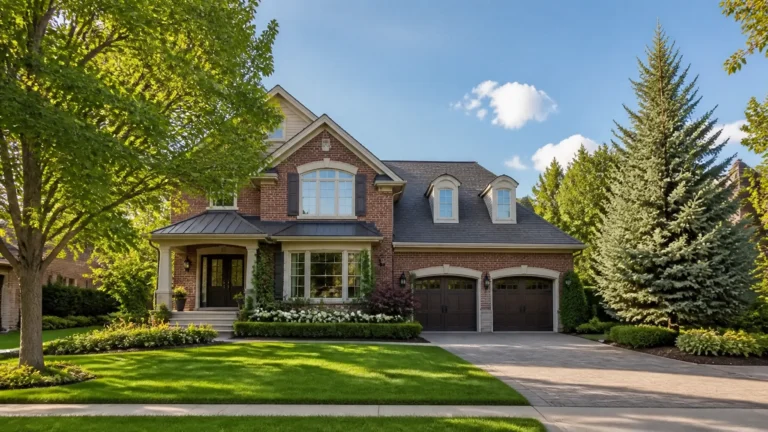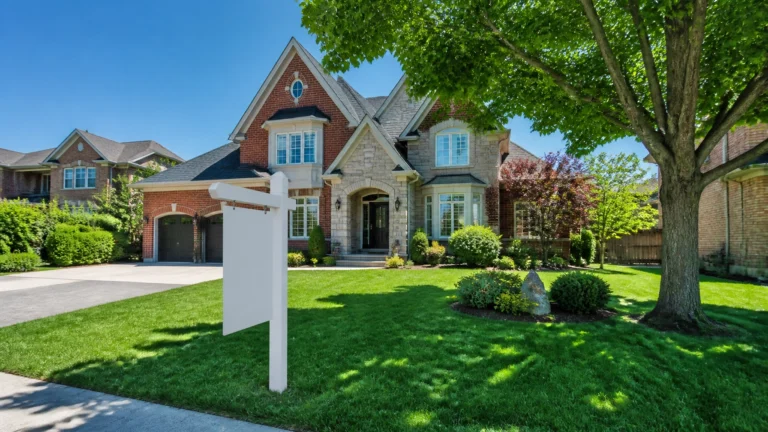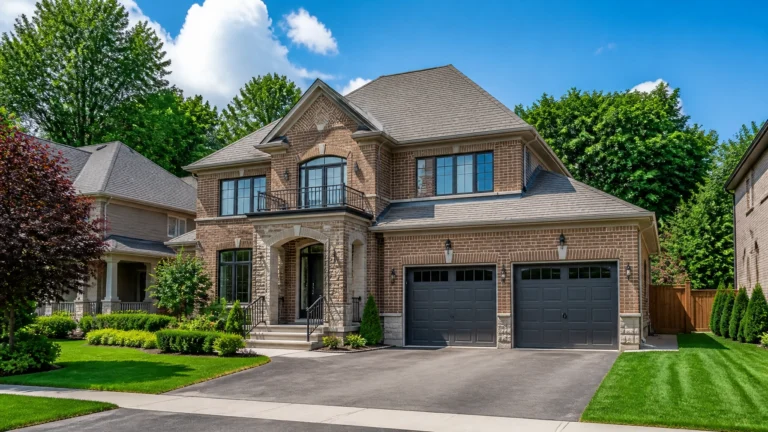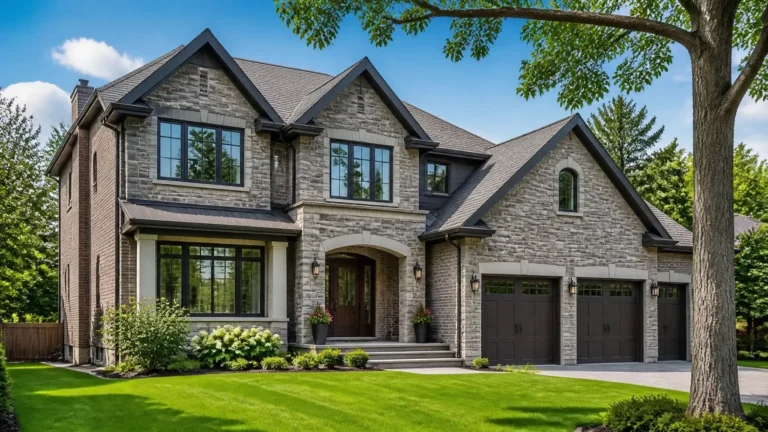
Buying your first home in Ontario is a monumental milestone. Whether you are looking at a sleek condo in North York or a spacious detached home in the growing community of Innisfil, the excitement of browsing listings and attending open houses is unparalleled. However, for many first-time buyers, that excitement can quickly turn into "sticker shock" when they realize the purchase price isn’t the only number that matters.
Beyond the down payment, there is a suite of "hidden" costs: often referred to as closing costs: that can add up to thousands of dollars in cash required on the day you get your keys. Understanding these expenses early is the difference between a smooth transition and a stressful financial scramble.
As part of the Vitali Real Estate team, I’ve guided countless families through the nuances of the Ontario market. My goal is to ensure you move into your new home with your eyes wide open and your budget intact. Here is everything you need to know about the hidden costs of buying a home in Ontario in 2026.
1. Land Transfer Tax (LTT): The Heavy Hitter
The Land Transfer Tax is often the largest single closing cost you will encounter. In Ontario, this tax is calculated as a percentage of the purchase price and must be paid in full on the closing date. It cannot be rolled into your mortgage, meaning you need to have this cash ready in your bank account.
Provincial vs. Municipal LTT
All buyers in Ontario pay the Provincial Land Transfer Tax. However, if you are purchasing property within the City of Toronto, you are also subject to a second tax: the Municipal Land Transfer Tax. Effectively, Toronto buyers pay nearly double the tax compared to those in Vaughan, Richmond Hill, or Newmarket.
For a property outside of Toronto priced at $800,000, you can expect to pay approximately $12,475 in provincial tax. If that same home were in Toronto, the combined tax would jump significantly. To get a precise estimate for your target neighbourhood, I highly recommend using our online mortgage and tax calculators.

2. The Silver Lining: First-Time Buyer Rebates
If you are a first-time homebuyer, there is some relief available. The Ontario government offers a rebate of up to $4,000 on the provincial LTT. For those buying in Toronto, there is an additional municipal rebate of up to $4,475.
To qualify, you must be a Canadian citizen or permanent resident, at least 18 years old, and have never owned a home anywhere in the world. This rebate is often applied instantly at closing by your lawyer, reducing the amount of cash you need to provide upfront.
3. Legal Fees and Disbursements
You cannot buy a home in Ontario without a real estate lawyer. Their role is critical: they conduct title searches to ensure no liens are against the property, register the mortgage, and facilitate the exchange of funds.
In 2026, you should budget between $1,500 and $2,500 for legal fees. This amount typically includes:
- The Lawyer’s Professional Fee: The cost for their time and expertise.
- Disbursements: Out-of-pocket expenses the lawyer incurs on your behalf, such as title search fees, registration fees, and courier costs.
- Title Insurance: This is a one-time fee (usually $200–$500) that protects you against title fraud and municipal work orders. Most lenders require it.
4. Home Inspections: An Investment, Not an Expense
While a home inspection is not legally required, I always advise my clients: especially those reading my guide on mistakes to avoid when buying: never to skip this step.
A professional inspection typically costs between $400 and $850, depending on the size and age of the home. This upfront cost can save you tens of thousands of dollars by identifying hidden structural issues, aging roofs, or faulty wiring before you are legally committed to the purchase. In rural areas like Sharon or Holland Landing, you may also need specialized inspections for septic systems or well water.

5. The Statement of Adjustments
A few days before closing, your lawyer will present you with a "Statement of Adjustments." This document accounts for items the seller has already prepaid that extend past the closing date. You are responsible for reimbursing the seller for your portion of these costs. Common adjustments include:
- Property Taxes: If the seller paid the full year’s property taxes in January and you close in July, you owe them for the remaining six months.
- Prepaid Utilities: This includes water, hydro, or gas.
- Fuel Tanks: If the home uses oil or propane heating, the seller will fill the tank before closing, and you will pay for the full tank of fuel.
- Condo Fees: If you are buying a condo in North York or Mississauga, you will reimburse the seller for any prepaid monthly maintenance fees.
6. Mortgage Default Insurance and the "Hidden" PST
If your down payment is less than 20%, you are required to have mortgage default insurance (often called CMHC insurance). While the premium itself is added to your mortgage balance, the 8% PST (Provincial Sales Tax) on that premium is not. This PST must be paid in cash at the time of closing. On a typical Ontario home, this can easily add $1,500 to $3,000 to your closing costs.
7. Appraisal and Interest Adjustments
Before your lender finalizes your mortgage, they will likely require a professional appraisal to ensure the home is worth what you are paying. While the lender orders the appraisal, the buyer usually pays the $300–$500 fee.
Additionally, be aware of the "Interest Adjustment Date." If your mortgage closes on the 15th of the month but your first official payment isn't until the 1st of the following month, the lender will charge you interest for those intervening 15 days.

8. Moving Day and Immediate Costs
The costs don't stop once the paperwork is signed. Budgeting for the actual move is essential.
- Professional Movers: Depending on the distance and the amount of furniture, expect to pay $1,000–$3,000.
- Immediate Maintenance: Even the most "move-in ready" home needs something. I suggest setting aside $1,000 for things like changing the locks, professional carpet cleaning, or buying new window coverings.
- Utility Connections: Some utility companies charge a hook-up or security deposit for new accounts.
The 1.5% to 4% Rule
As a general rule of thumb for the Ontario market in 2026, you should set aside between 1.5% and 4% of the purchase price specifically for closing costs. For an $800,000 home, that means having $12,000 to $32,000 in liquid cash available, separate from your down payment.
Why Expert Guidance Matters
Navigating these financial waters can feel overwhelming, but you don't have to do it alone. At Vitali Real Estate, I pride myself on providing a highly personalized approach. I don't just find you a house; I help you manage the entire transition: from negotiating the best price in a tough market to helping you find interim rental solutions if your closing dates don't align.
My background as a real estate investor allows me to see the "hidden" potential and pitfalls in every property, ensuring you maximize your financial returns from day one. Whether you prefer to communicate in English, Russian, Ukrainian, Belarusian, or Polish, I am here to ensure you have total peace of mind.

Ready to start your journey?
If you're planning to buy a home in the GTA or surrounding areas like Innisfil, Barrie, or Vaughan, let’s sit down for a free, no-obligation consultation. I’ll help you break down the specific costs for your target area so there are no surprises on closing day.
Contact Vitali Real Estate today and let’s turn your homeownership dreams into a reality.
BuyRealty.ca Brokerage
Cathy Dou, Broker of Record
Expert Service in English, Russian, Ukrainian, Belarusian, and Polish.
{“@type”:”BlogPosting”,”image”:”https://cdn.marblism.com/vA1zArvB_ee.webp”,”author”:{“name”:”Vitali Real Estate”,”@type”:”Organization”},”@context”:”https://schema.org”,”headline”:”The Hidden Costs of Buying a Home in Ontario You Need to Know”,”publisher”:{“logo”:{“url”:”https://cdn.marblism.com/W9fT2wvd7HU.webp”,”@type”:”ImageObject”},”name”:”BuyRealty.ca Brokerage”,”@type”:”Organization”},”description”:”A comprehensive guide for first-time buyers in Ontario regarding hidden closing costs, including Land Transfer Tax, legal fees, and adjustments.”,”datePublished”:”2026-05-23″,”mainEntityOfPage”:{“@id”:”https://vitali.buyrealty.ca/blog”,”@type”:”WebPage”}}